D2C Ecommerce Agency vs. Traditional Retail Partner: Which Should You Choose?
All You Required to Learn About D2C Ecommerce: Essential Providers for Your Brand
D2C ecommerce is improving how brands engage with customers, offering a straight pathway available for sale and communication. This model highlights the value of branding and effective advertising and marketing strategies to foster client commitment. Trick solutions such as logistics, inventory monitoring, and information analytics play a critical role in ensuring success. As the landscape evolves, comprehending these elements becomes essential for brand names aiming to grow in this affordable setting. What approaches will verify most effective in this transforming market?

Understanding D2C Ecommerce: What It Is and Why It Matters
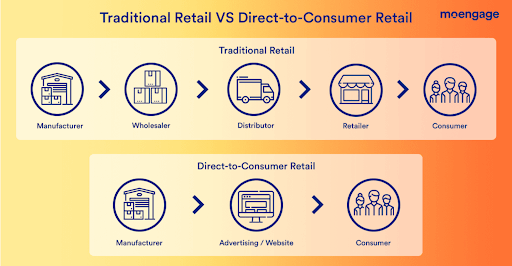
D2C ecommerce, or direct-to-consumer ecommerce, represents a transformative change in how brand names engage with their customers. This model makes it possible for companies to sell their products straight to consumers without intermediaries, such as sellers or dealers. By getting rid of these middlemen, brand names acquire better control over their consumer, prices, and advertising experience.Understanding D2C ecommerce also highlights its value in fostering straight connections in between customers and brands. This technique permits even more customized advertising and marketing approaches and improved consumer insights, enabling brands to customize their offerings based upon customer preferences and behaviors. Additionally, D2C ecommerce can bring about cost financial savings for consumers, usually leading to far better pricing compared to standard retail.As this design remains to evolve, it highlights the need for brands to innovate and adapt, ensuring they continue to be affordable in a significantly digital industry. The surge of D2C ecommerce signifies a substantial advancement in the retail landscape, reshaping consumer assumptions and brand interactions.
The Value of Branding in D2C
In the affordable landscape of direct-to-consumer ecommerce, effective branding arises as an essential differentiator for business. Solid branding fosters customer depend on and commitment, necessary aspects in establishing a long-term connection with customers. By producing an unique brand name identification, companies can properly connect their worths and goal, making their offerings extra relatable to target audiences.Moreover, branding plays a substantial function in shaping consumer perceptions and experiences. A well-executed brand name strategy not just improves presence yet also places the business as a leader in its niche. This can result in higher conversion rates, as customers are much more most likely to select brand names they identify and respect.Additionally, natural branding across all touchpoints enhances brand recognition and enhances consumer links. In the D2C area, where competition is tough, a solid brand name presence can ultimately cause sustained development and market relevance.
Streamlining Logistics and Supply Administration
Efficient order satisfaction and real-time inventory tracking are important parts of effective D2C ecommerce operations. By enhancing these logistics processes, businesses can improve customer satisfaction and minimize functional costs. Executing reliable techniques in these locations can result in substantial improvements in general performance and competition.
Effective Order Gratification

Real-Time Inventory Tracking
Just how can D2C brand names guarantee they have the right products available at the right time? Real-time supply tracking is crucial for attaining this objective. By applying innovative radar, brand names can keep an eye on supply levels across multiple networks, making certain that supply information is updated and accurate. This technology supplies understandings right into need fads, permitting brands to prepare for lacks or overstock situations.Additionally, incorporating real-time tracking with logistics can streamline order gratification procedures, minimizing hold-ups and boosting customer fulfillment. Brands can respond swiftly to changes in demand, optimizing their supply chain effectiveness. Ultimately, real-time supply tracking encourages D2C brands to make informed choices, maintain peak supply levels, and deliver a smooth buying experience to their consumers.
Reliable Marketing Methods for D2C Success
Effective advertising techniques are vital for the success of direct-to-consumer (D2C) brand names. Making use of content marketing techniques, engaging on social media sites platforms, and creating influencer collaborations can greatly boost brand exposure and consumer commitment. These methods not just drive traffic but also foster significant connections with customers.
Web Content Marketing Techniques
As brand names browse the competitive landscape of D2C ecommerce, leveraging web content marketing methods comes to be vital for developing a solid connection with customers. By creating important, appropriate web content, brands can engage their target market and foster loyalty. Effective methods consist of narration, where brands share their wikipedia reference special narratives to resonate with customers mentally. Educational content, such as how-to guides and tutorials, equips customers with expertise regarding items. Furthermore, user-generated content urges neighborhood participation, permitting customers to share their experiences. Brands need to additionally consider optimizing their material for search engine optimization to boost visibility and attract organic web traffic. Ultimately, a calculated approach to web content marketing not only promotes products yet also develops a brand name identity that consumers can relate and trust to.
Social Media Site Engagement
What approaches can brands utilize to optimize their social media sites interaction in the D2C ecommerce landscape? To boost engagement, brands ought to concentrate on developing genuine, relatable web content that resonates with their target audience. Using storytelling methods can help humanize the brand name, cultivating a deeper link with customers. Routinely involving with fans through remarks, surveys, and direct messages encourages a sense of area and loyalty. Brand names need to likewise take advantage of user-generated content, showcasing consumers' experiences to develop reputation and depend on. Additionally, employing targeted advertising and marketing can assist reach certain demographics, guaranteeing web content is seen by the best audience. Ultimately, assessing involvement metrics allows brand names to fine-tune their strategies, making certain constant renovation and adjustment to customer preferences.
Influencer Partnerships Approaches
Influencer partnerships have actually arised as an effective method for brands looking to enhance their D2C ecommerce success. By working together with influencers that straighten with their brand worths, business can access targeted audiences and build trustworthiness. Reliable strategies include picking influencers based upon target market demographics, engagement rates, and authenticity. Brand names can also take advantage of numerous content formats, such as unboxing videos, tutorials, or endorsements, to involve customers. Establishing long-term connections with influencers promotes trust fund and develops a consistent brand name story. Furthermore, tracking efficiency metrics like conversion prices and social media sites engagement assists brands fine-tune their techniques and make best use of ROI. Ultimately, well-executed influencer partnerships can intensify brand visibility continue reading this and drive sales in the competitive D2C landscape.
Involving Clients With Personalized Experiences
How can brands effectively record the focus of their consumers in a crowded digital marketplace? Personalized experiences stand apart as an essential strategy for involvement. By tailoring communications based upon private preferences, brands can build deeper connections with their target market. Utilizing client data, such as purchase background and searching behavior, permits brand names to create relevant content and product suggestions that reverberate on a personal level.Moreover, individualized communication, whether with e-mail marketing or social media sites, enhances consumer commitment and satisfaction. As an example, sending tailored promos or birthday introductions can make customers really feel valued and valued. Brand names can also apply vibrant site experiences, adjusting material in real-time to reflect individual interests and behaviors. These methods not just boost customer retention however also motivate word-of-mouth recommendations, as completely satisfied customers share their experiences with others. Inevitably, engaging clients with individualized experiences is a crucial element of effective D2C ecommerce.
Leveraging Information Analytics for Informed Decisions
Using the power of data analytics makes it possible for brand names to make informed decisions that drive development and enhance customer experiences - D2C Ecommerce Agency. By analyzing consumer information, brands can discover beneficial insights into buying patterns, preferences, and habits. This details allows organizations to customize their marketing methods, maximize item offerings, and enhance inventory management.Furthermore, information analytics can identify consumer segments that are more than likely to convert, allowing targeted campaigns that reverberate with details target markets. By checking vital efficiency indicators, brands can examine the performance of their strategies and adjust them accordingly, guaranteeing continual improvement.The use of anticipating analytics likewise aids brands prepare for future fads, permitting them to remain ahead of the competition. Ultimately, leveraging information analytics equips D2C brand names to make calculated decisions that not only improve functional efficiency but additionally foster much deeper connections with their customers, resulting in enhanced loyalty and long-term success
Constructing a Durable Consumer Support Group
A robust client support group acts as the foundation of any type of successful D2C ecommerce brand name. It enhances client contentment and promotes loyalty by ensuring that customer queries and problems are addressed without delay and successfully. Secret parts consist of multiple interaction channels, such as chatbots, e-mail, and phone support, permitting customers to select their preferred method of interaction.Investing in a knowledgeable assistance team is important, as they must comprehend the brand's items and policies. Executing a ticketing system can simplify concern resolution, guaranteeing that no consumer query goes unanswered. In addition, using customer comments to refine support procedures can cause continuous improvement.Automation tools can enhance effectiveness, yet human touch remains vital for complicated concerns. Eventually, a well-structured client support group not just fixes issues but likewise develops long-term relationships, strengthening the brand name's reputation and driving repeat business in the affordable D2C landscape.
Regularly Asked Questions
What Are the Typical Obstacles Faced by D2C Brands?
Typical difficulties encountered by D2C brand names include competition with well-known stores, taking care of stock efficiently, making sure client retention, navigating with digital advertising and marketing complexities, and maintaining durable supply chains while adapting to rapidly changing customer choices and market patterns.
How Do I Choose the Right Ecommerce System?
Picking the right ecommerce platform includes examining aspects like scalability, individual experience, combinations, and support. It's critical for brand names to line up platform features with their specific why not find out more needs to assure excellent capability and development possibility.
What Settlement Choices Should I Offer Clients?
When choosing payment options, it is vital to consider customer choices. Supplying varied methods, such as bank card, electronic purses, and buy-now-pay-later services, can enhance the shopping experience and potentially boost overall sales.
Exactly How Can I Ensure Item Top Quality in D2C?
To assure item top quality in D2C, brands should apply strenuous top quality control procedures, resource products from trustworthy vendors, conduct routine product screening, and gather consumer responses to continuously improve their offerings and maintain high standards.
What Legal Factors To Consider Should D2C Brands Recognize?
D2C brands ought to consider various lawful elements, including consumer defense regulations, data privacy regulations, intellectual residential or commercial property legal rights, and conformity with advertising requirements. Recognizing these aspects assists reduce dangers and assures a lasting organization procedure. D2C ecommerce, or direct-to-consumer ecommerce, represents a transformative shift in how brands engage with their customers. By removing these middlemen, brand names get better control over their consumer, pricing, and advertising experience.Understanding D2C ecommerce additionally highlights its relevance in cultivating direct partnerships between consumers and brand names. By developing a distinct brand name identity, companies can effectively interact their values and mission, making their offerings a lot more relatable to target audiences.Moreover, branding plays a substantial function in forming consumer understandings and experiences. Utilizing customer information, such as purchase history and searching actions, allows brand names to develop pertinent material and item suggestions that reverberate on a personal level.Moreover, customized communication, whether via e-mail advertising or social media, boosts client loyalty and contentment. By monitoring essential performance indications, brands can evaluate the efficiency of their strategies and adjust them as necessary, guaranteeing continual improvement.The usage of anticipating analytics additionally helps brands expect future fads, permitting them to stay ahead of the competitors.